
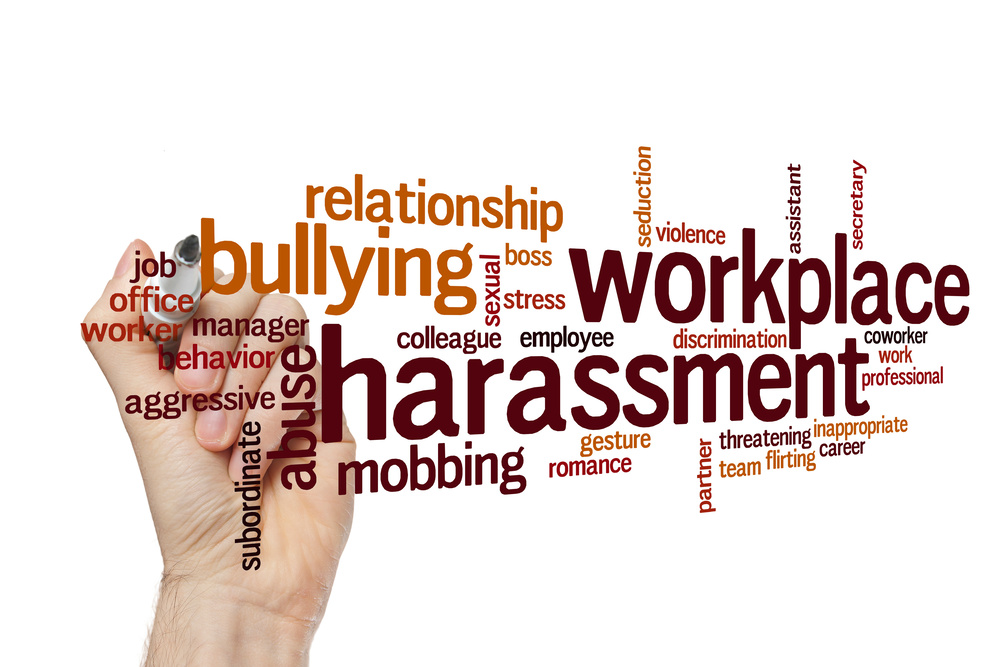
 When we hear the words bullying or harassment, our minds often drift to schoolyards, playgrounds, and the challenges faced by children. We imagine scraped knees, hurtful words exchanged in hallways, or the
silent pain of exclusion. But what if I told you that these painful experiences aren’t confined to childhood? What if the very environments designed for professional growth and collaboration—our workplaces—can become arenas for similar, insidious behaviors? It’s a stark reality that’s often overlooked or swept under the rug: bullying and harassment are not exclusive to students; they are a pervasive
issue affecting teachers, employees, and professionals across every
industry.
The workplace, ideally, should be a space of respect, support, and shared goals. It’s where we dedicate a significant portion of our lives, contributing our skills, passion, and intellect. Yet, for many, it becomes a source of stress, anxiety, and even trauma due to the actions of colleagues, supervisors, or even subordinates.
What does workplace bullying and harassment look like?
It’s not always overt physical aggression, though that can certainly occur. More often, it manifests in subtler, yet equally damaging ways:
Verbal Abuse: Constant criticism, yelling, belittling comments, insults, or
sarcastic remarks.
Social Exclusion: Deliberately ignoring someone, leaving them out of meetings or communications, or spreading rumors.
Professional Undermining: Sabotaging work, withholding necessary information, setting impossible deadlines, or taking credit for others achievements.
Intimidation: Aggressive stares, threatening gestures, or creating a hostile environment.
Cyber bullying: Harassment conducted through emails, messages, or social media, often outside of work hours.
Sexual Harassment: Unwelcome sexual advances, requests for sexual favors, or other verbal or physical harassment of a sexual nature.
Discrimination: Targeting someone based on their race, gender, age, religion, disability, sexual orientation, or other protected characteristics.
The Devastating Impact
The consequences of workplace bullying and harassment are far- reaching and deeply damaging, not just for the individuals involved, but for the entire organization.
For the victims, it can lead to:
Mental Health Issues: Depression, anxiety, panic attacks, low self- esteem, and even PTSD.
Physical Symptoms: Stress-related illnesses like headaches, digestive problems, and sleep disturbances.
Reduced Productivity: Difficulty concentrating, making decisions, and performing tasks.
Burnout and Absenteeism: Leading to increased sick days and ultimately, a desire to leave the job.
Erosion of Trust: A feeling of isolation and a breakdown of trust in colleagues and leadership.
For the organization, the impacts include:
High Employee Turnover: Losing valuable talent due to an toxic environment.
Decreased Morale and Productivity: A fearful or unhappy workforce is an unproductive one.
Damage to Reputation: A workplace known for harassment struggles to
attract and retain talent.
Legal and Financial Costs: Potential lawsuits, investigations, and settlements.
Breaking the Silence: What Can Be Done?
Addressing workplace bullying and harassment requires a multi-faceted approach and a commitment from everyone within an organization.
Acknowledge the Problem: The first step is to admit that it exists and
can happen anywhere.
Clear Policies and Procedures: Organizations must have robust, clearly communicated policies against bullying and harassment, along with accessible reporting mechanisms.
Training and Education: Regular training for all employees, from entry- level to leadership, on what constitutes bullying and harassment, how to report it, and how to intervene safely.
Leadership Accountability: Leaders must model respectful behavior, take all complaints seriously, and ensure prompt and fair investigations.
Support for Victims: Provide resources like counseling, HR support, and ensure protection against retaliation for those who come forward.
Foster a Culture of Respect: Actively promote a workplace culture that values diversity, inclusion, open communication, and mutual respect.
Encourage psychological safety where employees feel safe to speak up
without fear of reprisal.
It’s time we broaden our understanding of bullying and harassment. These behaviors are not just schoolyard skirmishes; they are serious issues that undermine the well-being and productivity of adults in professional settings. By shedding light on this often-hidden problem, fostering open dialogue, and implementing effective preventative measures, we can work towards creating workplaces that are truly safe,
respectful, and empowering for everyone.