
Artificial Intelligence (AI) is transforming the educational landscape, opening new possibilities for teachers and learners alike. From personalizing learning experiences to simplifying everyday tasks, AI offers innovative ways to make education more engaging, inclusive, and effective. As educators, embracing AI allows us to rethink traditional teaching approaches and prepare our students for a rapidly evolving digital world.
 Personalized Learning for Every Student
Every student learns differently, and AI can help teachers recognize and respond to these individual needs. By analyzing learning progress and performance, AI-powered tools can suggest appropriate resources, identify learning gaps, and provide additional practice or advanced challenges. This enables teachers to offer targeted support while ensuring that every learner has opportunities to grow and succeed.
Simplifying Administrative Tasks
Teachers dedicate considerable time to planning lessons, assessing work, preparing resources, and maintaining student records. AI can help streamline many of these tasks by assisting with lesson planning, generating worksheets, developing assessment questions, and organizing learning materials. By reducing routine workloads, teachers can devote more time to meaningful classroom interactions, student well-being, and professional growth.
Making Learning Engaging and Interactive
AI-powered educational tools can make classroom learning more dynamic and enjoyable. Interactive activities, educational chatbots, virtual simulations, and adaptive learning platforms can help students explore complex concepts in accessible and creative ways. These tools can encourage curiosity, promote independent learning, and provide timely feedback that helps students understand their strengths and areas for improvement.
The Teacher’s Role in an AI-Powered Classroom
While AI offers exciting opportunities, it cannot replace the human connection at the heart of education. Teachers provide empathy, encouragement, emotional support, and the guidance students need to develop essential life skills. AI should therefore be viewed as a supportive partner that strengthens teaching rather than replaces the teacher. Its use must also be guided by responsible practices that protect student privacy, promote fairness, and encourage critical thinking.
Conclusion: Empowering Teachers, Inspiring Learners
Artificial Intelligence is not simply a technological advancement; it is an opportunity to reimagine how we teach, learn, and prepare students for the future. When used thoughtfully and responsibly, AI can help create more personalized learning experiences, improve efficiency, and foster greater student engagement.
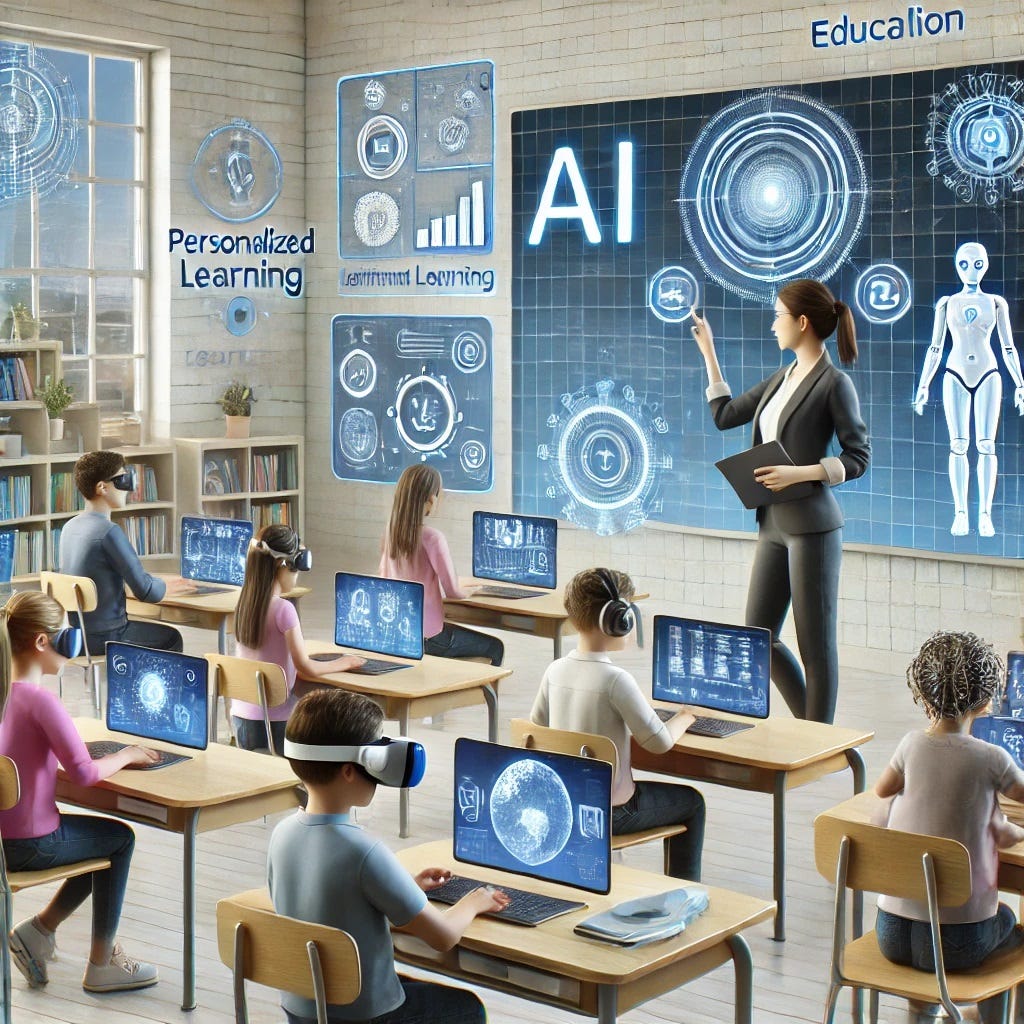 As educators, we must remain open to innovation, continue developing our digital skills, and explore ways to integrate AI meaningfully into our classrooms. The true potential of AI lies not in replacing human intelligence or creativity, but in enhancing them.
The future of education is not about choosing between teachers and technology; it is about bringing the best of both together to inspire, empower, and transform learning.