What if history were not just something we read about in textbooks, but something we could see, explore and experience?
For our Grade 6 learners, this question became a reality as they embarked on an exciting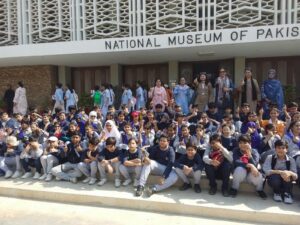 educational visit to the National Museum as part of their Project-Based Learning (PBL) journey on Ancient Civilisations.
Surrounded by centuries of history, students had the opportunity to explore ancient artefacts, pottery, tools and scripts that offered fascinating insights into the lives of people from the past. Every object had a story to tell. From the craftsmanship behind everyday items to the development of early writing systems, learners began to understand how ancient communities lived, communicated, traded and contributed to the world we know today.
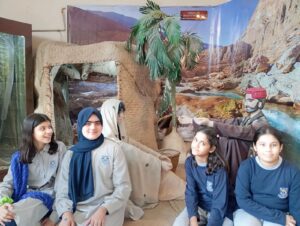 But this visit was about much more than observing historical objects. It was about learning to look beyond what meets the eye. Why were these tools made? What can pottery reveal about a civilisation? How do historians reconstruct the lives of people who lived thousands of years ago? Such questions encouraged students to observe closely, make connections, draw inferences and think like young historians.
The experience also highlighted the value of learning beyond the four walls of a classroom. While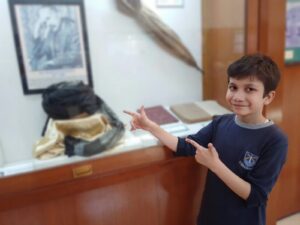 textbooks provide essential knowledge, encountering historical artefacts brings that knowledge to life. It allows learners to make meaningful connections between what they study and the world around them. More importantly, it reminds them that history is not simply a collection of dates and events; it is a story of human creativity, challenges, discoveries and progress.
Reflecting on this experience, one important takeaway is that curiosity is at the heart of 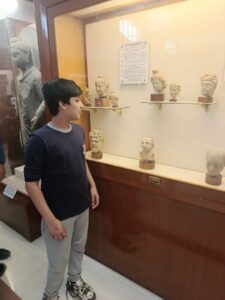 meaningful learning. When students are given opportunities to explore, question and discover independently, they become active participants in their learning journey rather than passive recipients of information.
As our Grade 6 learners continue their exploration of Ancient Civilisations, they carry with them more than facts and observations. They take away a deeper appreciation of our shared heritage and an understanding that the past continues to shape our present.
After all, the most powerful lessons are not always found on a page. Sometimes, they are waiting to be discovered behind a museum display, within an ancient artefact or through a question that sparks a whole new journey of learning.