
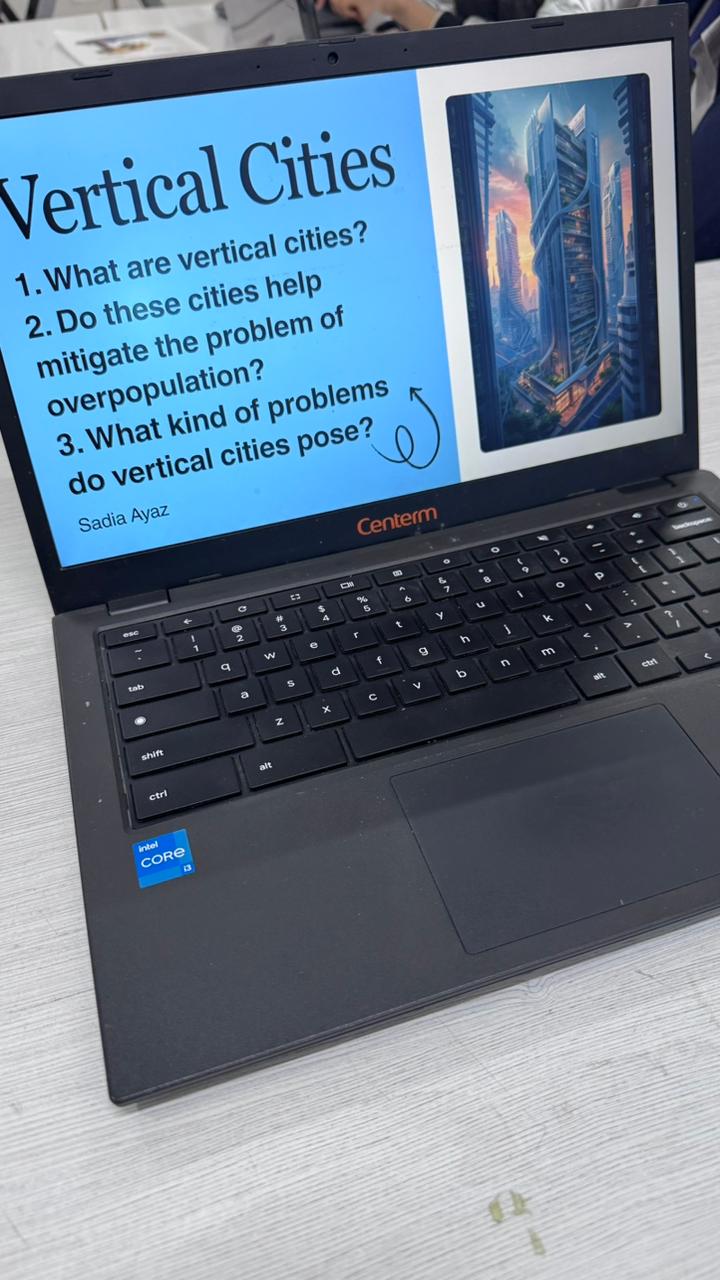
Grade 6 students explored the concept of Vertical Cities in an engaging English lesson, led by Sadia Ayaz and Pareesa Memon. The lesson was thoughtfully designed to strengthen concept building, critical thinking, collaborative research, and speech writing, while keeping students actively involved throughout.
The session opened with a lively brainstorming activity. Students were introduced to the topic through three guiding questions about vertical cities, their role in addressing overpopulation, and the challenges they present. Using Mentimeter, students shared their ideas, which were then discussed as a class. This interactive start encouraged every learner to think, respond, and voice an opinion.
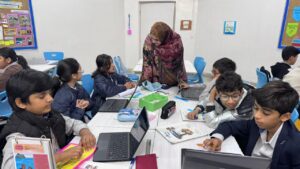
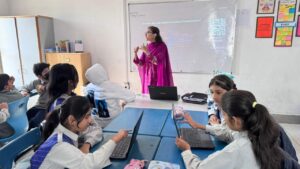
Building on students’ initial ideas, the teacher clarified the concept of vertical cities, explaining them as tall, multi-purpose structures that function like complete cities, including homes, schools, and workplaces. This step helped students connect their thoughts with accurate definitions and real-world applications.
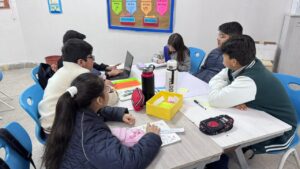
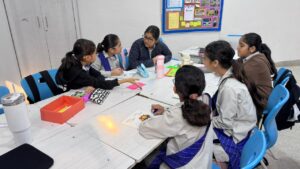
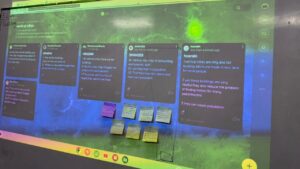
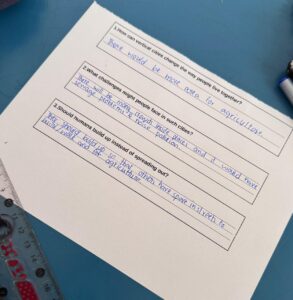
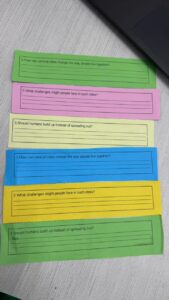
To deepen understanding, students participated in guided discussions and recorded their responses in their copies. Questions focused on how vertical cities might change community living, the challenges people could face, and whether building upward is a better solution than spreading outward. Students were encouraged to agree or disagree respectfully and justify their opinions, promoting purposeful classroom dialogue.
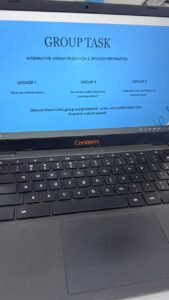
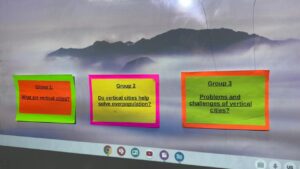
The lesson then shifted into an interactive group research activity. Students were divided into three groups, each focusing on a different aspect of vertical cities: understanding the concept, addressing overpopulation, and identifying possible challenges. Using textbooks, notes, and shared class ideas, each group researched and planned a short speech. A timer video helped manage time effectively, while a brief mindfulness video supported focus and calm during the task.
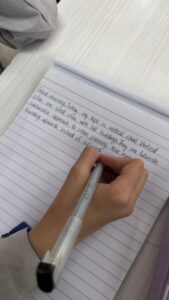

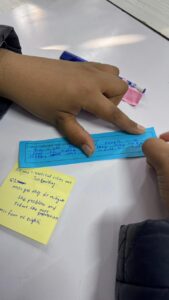
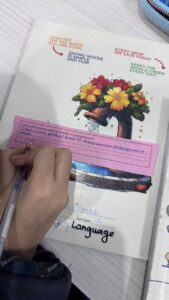
Students confidently presented their group speeches to the class. Peers listened attentively and prepared feedback, turning the presentations into a shared learning experience. The teacher supported students throughout, reading responses, addressing questions, and encouraging clear communication.
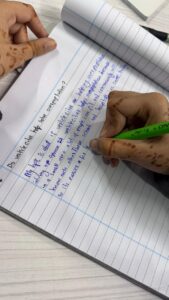
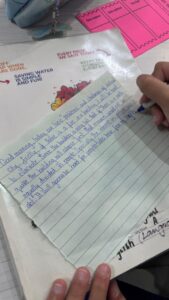
Reflection played an important role in the lesson. Students completed a written task, highlighting one strong idea they learned from a classmate, commenting on communication skills, offering a suggestion for improvement, and sharing their own opinion on whether vertical cities can reduce overpopulation.
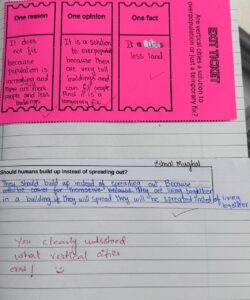
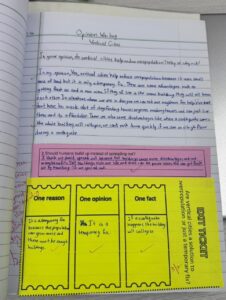
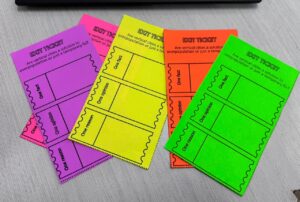
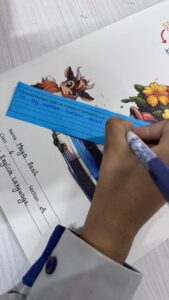
The lesson concluded with an exit ticket, where students summarized their learning by sharing one fact, one opinion, and one reason in response to whether vertical cities are a long-term solution or a temporary fix.
Overall, the lesson successfully combined inquiry, collaboration, and communication. By linking real-world issues with language skills, students not only strengthened their English abilities but also learned to think critically about modern urban challenges.