
Karachi’s winter may be short, but when a cold wave arrives, we notice real changes in our children — not just in temperature, but in their energy, mood, health, and learning patterns. This is especially true for our Early Years and Primary learners, who are more sensitive to weather changes and often cannot fully express their discomfort.
Cold mornings make it harder for children to wake up, stay active, and remain energetic throughout the school day. We begin to see more sniffles, dry skin, low stamina, and sometimes even reduced concentration. Yet, as parents and educators, this season gives us a valuable opportunity to nurture resilience, self-care habits, and emotional strength. Instead of viewing the cold wave as a disruption, we can treat it as a season of growth.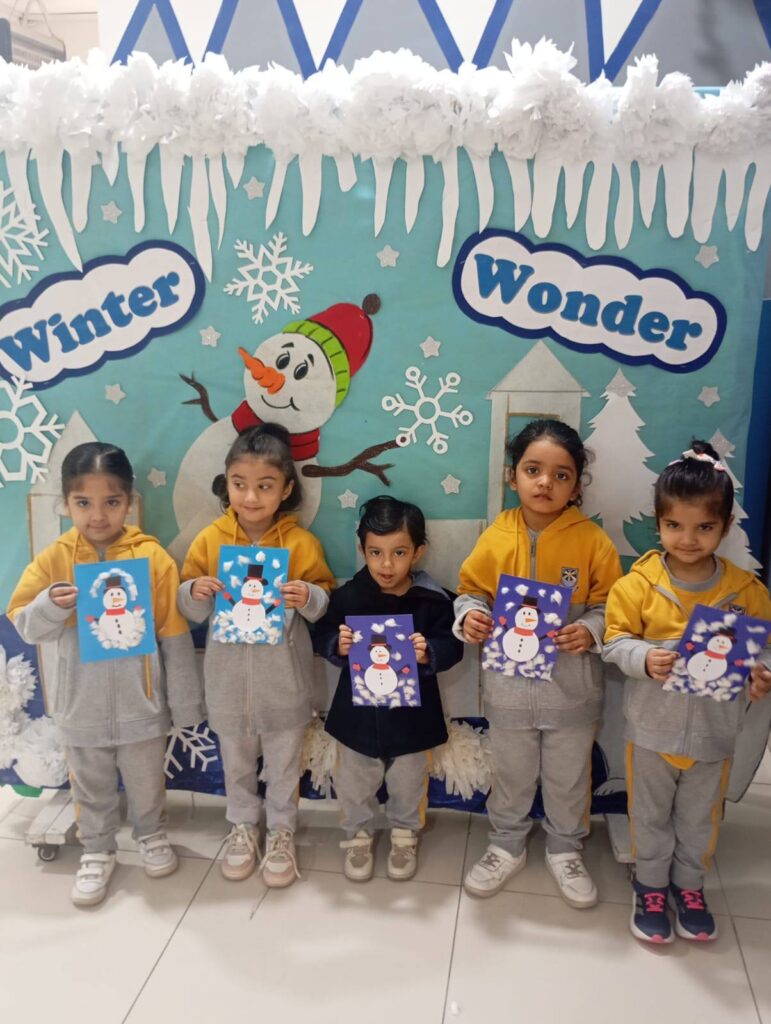
During colder days, children may feel sluggish, drink less water, or prefer sitting still rather than moving around. Some may appear irritable or distracted simply because they are feeling cold. Younger children especially may not realize how to explain that discomfort, which is why adults must stay observant and responsive.
At school, our responsibility goes beyond academics. A warm, caring, and health-conscious environment helps children feel safe and ready to learn. Teachers can gently remind students to keep their sweaters and socks on during chilly mornings and encourage regular water breaks even when they do not feel thirsty. Simple habits like applying moisturizer for dry skin or lip balm for chapped lips can also be small but meaningful lessons in self-care. Keeping children physically active through short movement breaks, stretching, or fun indoor activities improves circulation, lifts their mood, and helps them stay focused. At the same time, teachers can respond with empathy, balancing learning with engaging discussions, storytelling, and hands-on tasks that maintain interest without overwhelming tired little bodies.
Parents play an equally important role at home. A consistent bedtime routine helps children wake up more comfortably on cold mornings. Warm, nutritious meals such as soups, eggs, porridge, and other home-cooked foods support immunity and provide steady energy. Dressing children in layers rather than overly heavy clothing allows them to adjust as the day warms up, and warm socks are especially important since little feet lose heat quickly. Maintaining hygiene through regular handwashing and teaching children to cover coughs and sneezes helps prevent the spread of seasonal illnesses. Just as importantly, children may need extra emotional warmth during colder days. Some may become clingier, quieter, or more sensitive, and a little extra reassurance, conversation, and affection can help them feel secure.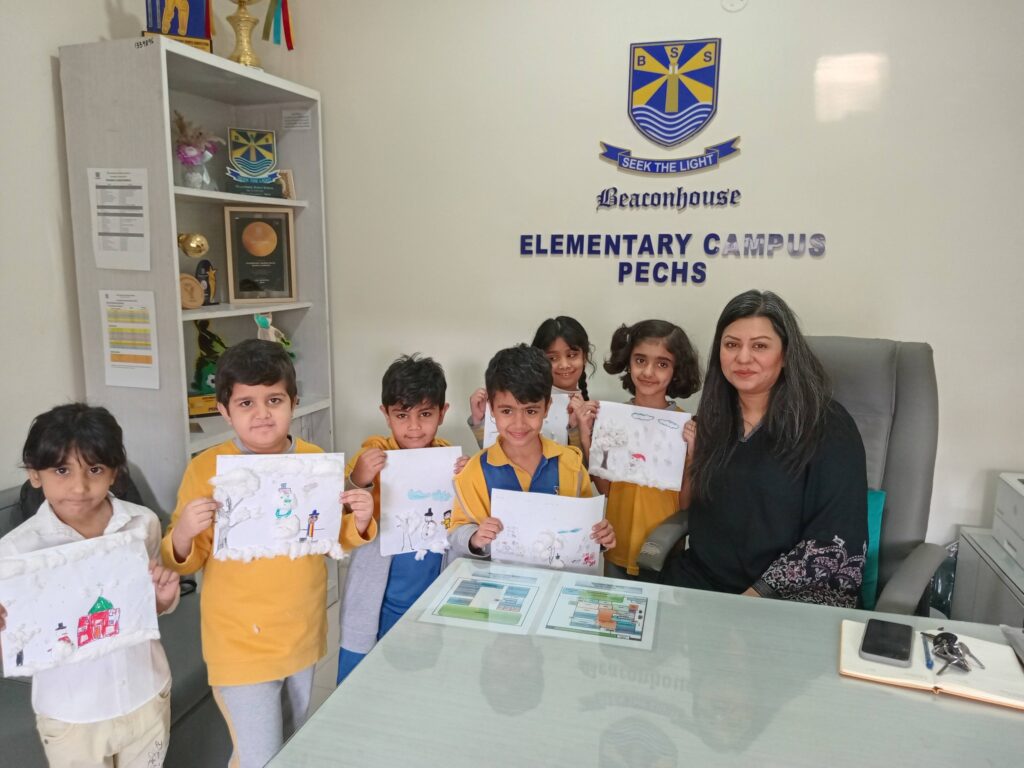
Every season brings lessons. Winter teaches children to listen to their bodies, to take responsibility for their health, and to adapt to changes around them. When adults model preparedness, calmness, and care, children learn that even small challenges can be managed with the right habits and mindset.
As a school community, let us work together to keep our children warm in body, active in mind, and strong in spirit. Resilience is not built only in big life moments — sometimes, it begins with something as simple as remembering to wear a sweater on time.