
A Balanced Look at Financial Literacy and Health
In recent years, the idea of students bringing their own lunch money and purchasing food at school has gained popularity. Many believe that giving children a small amount of autonomy over their food choices can help them develop important financial skills — like
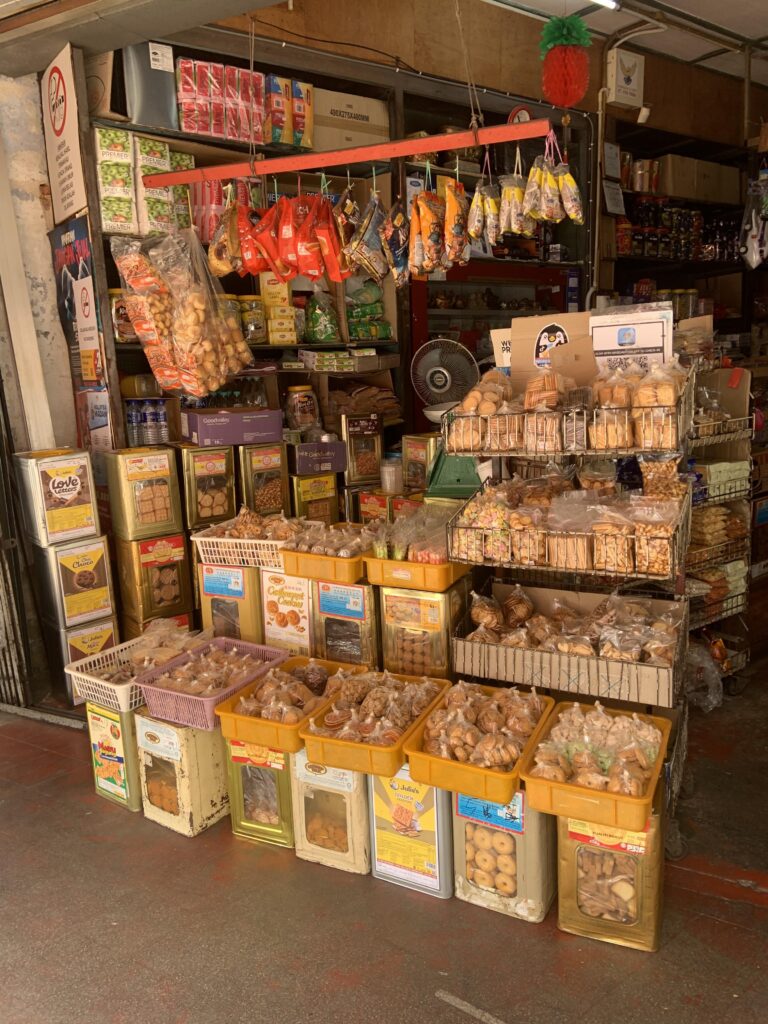 decision-making, budgeting, and managing money — at a young age. When supervised and discussed with guidance from parents and teachers, these experiences can contribute to a child’s understanding of responsible spending and healthy choices.However, this practice has significant drawbacks when children are left to make food choices without proper guidance. Allowing unmonitored lunch/snack money to be spent freely — especially by younger children, older siblings, or caregivers such as car drivers — often results in poor nutritional decisions. These choices frequently include sugary snacks, processed foods, and energy-dense products that lack essential nutrients.Research shows that children’s independent spending tends to favour energy-dense, nutrient-poor food items, especially when influenced by branding and price rather than nutritional value. Children with experience handling money may pay attention to prices, but their choices often reflect preference and marketing influence more than health awareness.
Long-Term Health Concerns
Numerous studies highlight the long-term impact of dietary habits formed in childhood. Excessive sugar consumption in early years has been linked to increased risks of obesity, type 2 diabetes, and elevated blood pressure later in life. Scientific evidence suggests that habits established in childhood — particularly those involving frequent intake of sugary foods — are hard to change in adulthood.
Furthermore, unhealthy eating patterns are often socially reinforced among children. Qualitative research indicates that children with less healthy diets tend to consume snacks separately and in contexts that do not support social or family food standards, which can perpetuate poor eating habits.
Balancing Autonomy and Responsibility
Giving students the opportunity to make choices about lunch money can teach financial literacy — if structured correctly. Key principles include:
Guided decision-making: Teachers and parents discussing healthy options before purchase decisions.
Clear boundaries: Setting limits on what types of foods children are allowed to buy (e.g., emphasis on nutritious foods).
Reflection: Helping students review their choices and understand long-term effects on health and finances.
Without this support, children’s exposure to nutrient-poor food options may encourage poor health outcomes. In the worst cases, early patterns of unhealthy eating can contribute to addiction-style preferences for sugar and highly processed foods — which research suggests are linked to future chronic health conditions. 
Practical Tips for Parents
🔹 Discuss before you give money
Talk about what makes a lunch healthy: one fruit, one protein item, and plenty of water.
🔹 Set a spending plan
Give a fixed amount and agree on what it should cover. This builds budgeting skills.
🔹 Create a “sometimes” list
Help children understand that chips, sweets, and fizzy drinks are occasional treats — not daily choices.
🔹 Review choices without scolding
Ask: “What did you buy today? Why did you choose it?” Reflection builds awareness.
🔹 Coordinate with drivers & caregivers
Ensure adults supervising children after school follow the same food rules.
Smart Choices Students Can Learn ✔ Choose water over sugary drinks
✔ Add fruit when buying snacks
✔ Avoid buying sweets every day
✔ Check if you are hungry — or just tempted
✔ Save some money instead of spending it all
These small habits build both health awareness and financial responsibility.
A Call to Parents and Caregivers
While giving children lunch money may seem like a small part of daily school life, the choices they make with that money have real consequences. It’s essential for parents, caregivers, and educators to connect with their children about their daily food purchases — not to control them, but to educate and guide them toward healthier decisions.
Let’s work together to ensure that everyday choices do not become lifelong regrets.
References
Kids, cash, and snacks: What motivates a healthier food choice? – ScienceDaily
Long-term health effects of sugar consumption in childhood – Dawn News
Meals and snacks from the child’s perspective – Cambridge University Press, Public Health Nutrition