
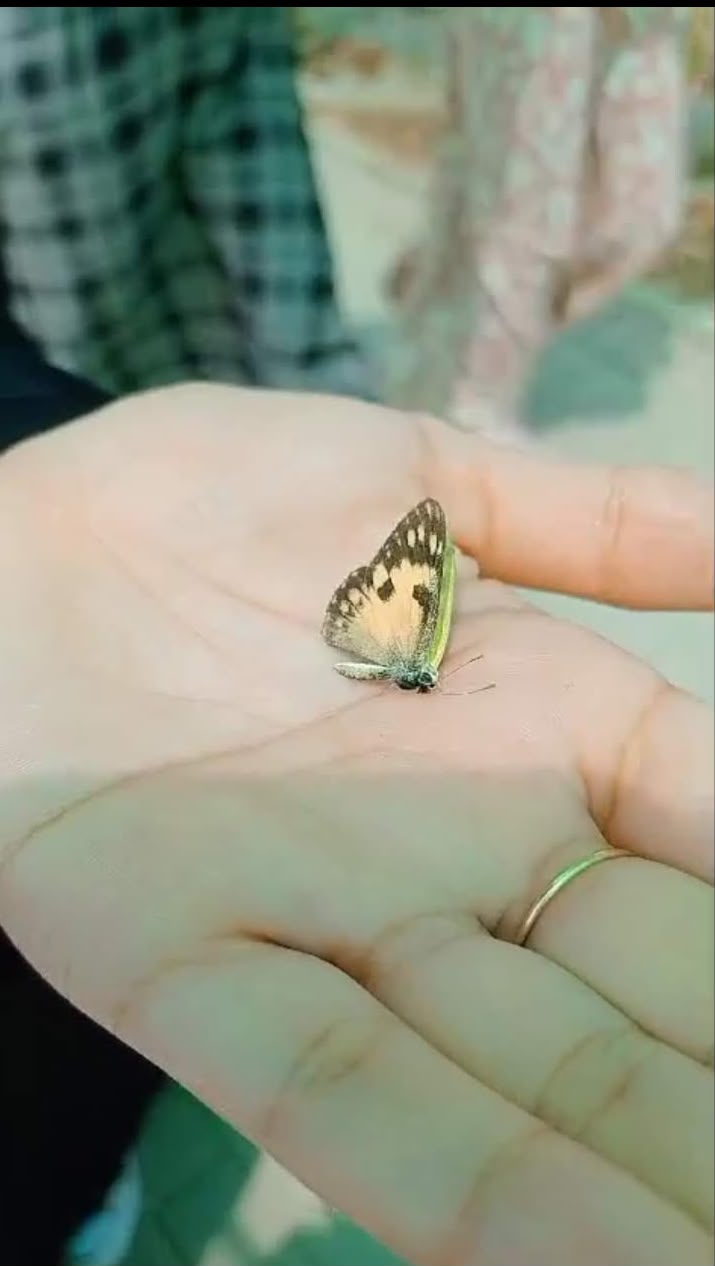
 A garden does not have to be big to create big learning opportunities. Even a few containers on a balcony, terrace, or school garden can introduce children to the wonderful world of plants.
As a Botanist and Early Years educator, I have been practising container gardening for more than 10 years. With an M.Sc. in Botany from the University of Karachi, where I secured First Class, Third Position in both my Master’s and Bachelos, I have combined my academic knowledge with practical experience in growing plants at home.
🌱 From a Tiny Seed to Something We Can Eat 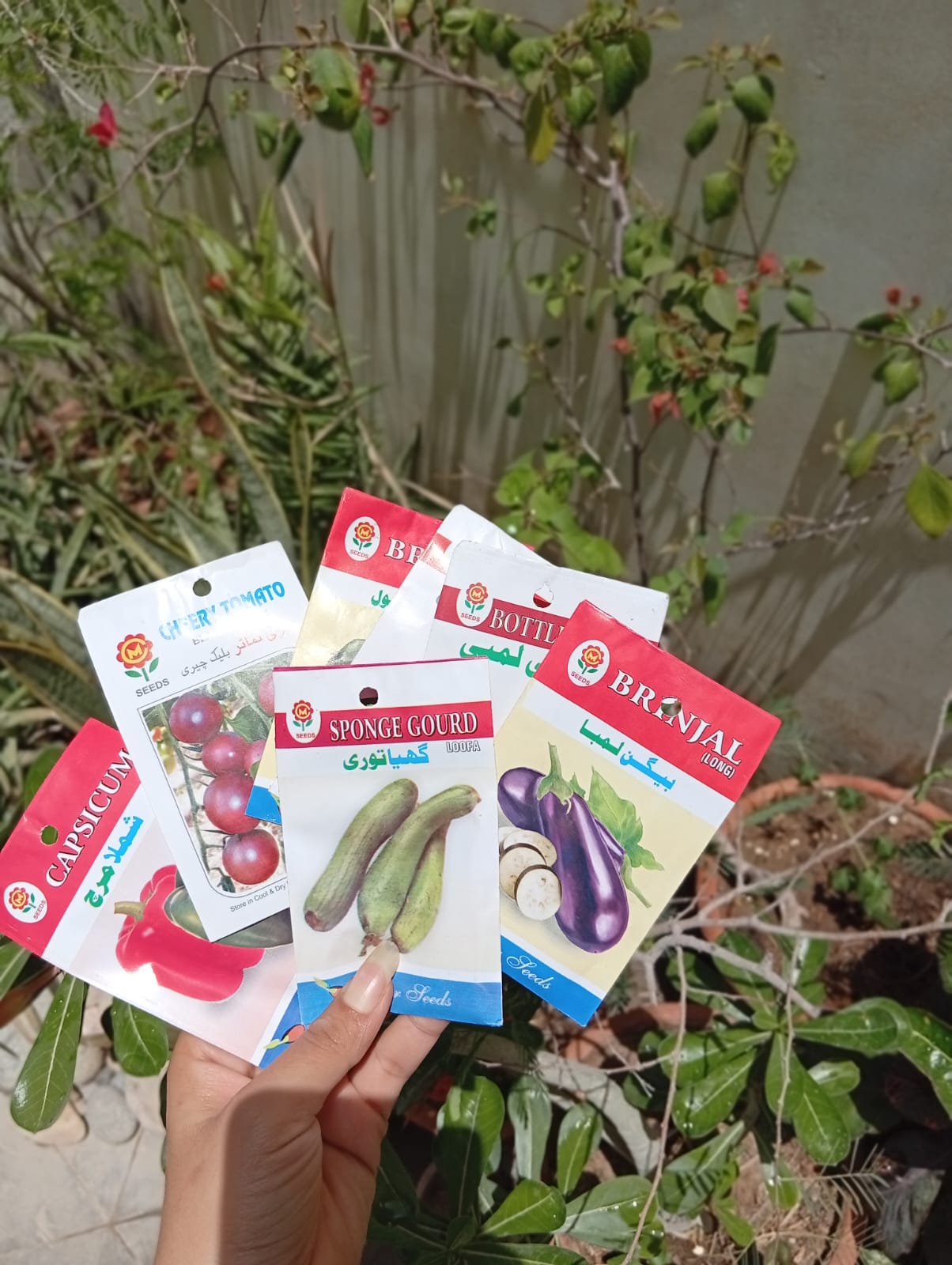
One of the most rewarding parts of kitchen gardening is watching a plant change.
I have grown vegetables and herbs such as tomatoes, chillies, bitter gourd, apple gourd, mint, lettuce, potatoes, parsley and a number of vegetables in containers. Children can observe the same journey—from seed, to seedling, to leaves, flowers and finally fruit.
For young children, this becomes science that they can actually see, touch and experience.
🔎 Gardening Encourages Curiosity
A garden naturally invites questions:
What does a seed need to grow?
Why do plants have roots?
Where do flowers come from?
How does a flower become a fruit?
These simple observations help children develop curiosity, vocabulary, patience and an understanding of living things.
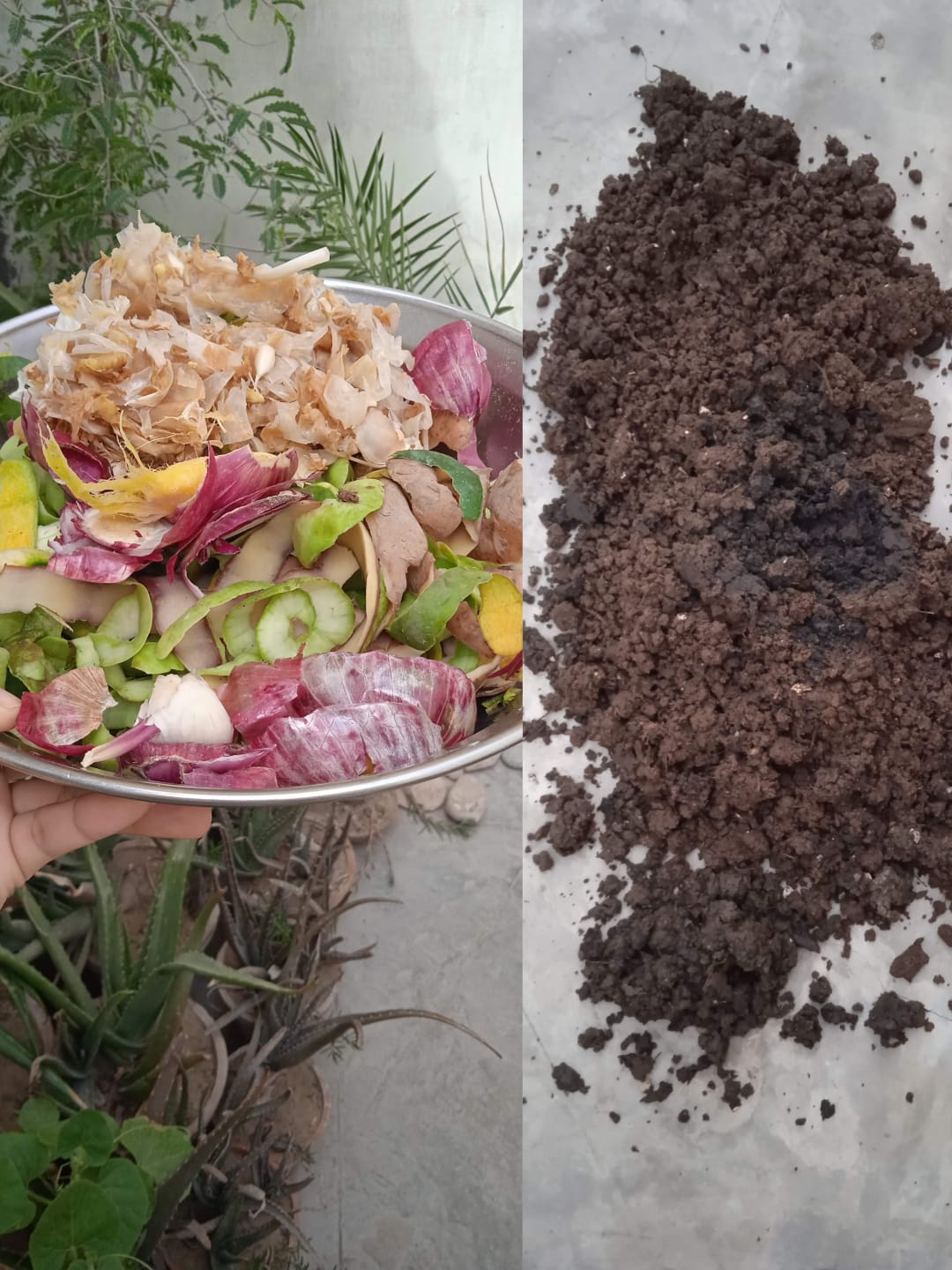 ♻️ Growing Sustainability
My gardening journey also includes compost making, natural fertilisers, bio-enzymes and natural pest-control methods. These practices provide wonderful opportunities to help children understand that some everyday materials can be reused rather than simply thrown away.
🌿 Bringing Gardening into Early Years Learning
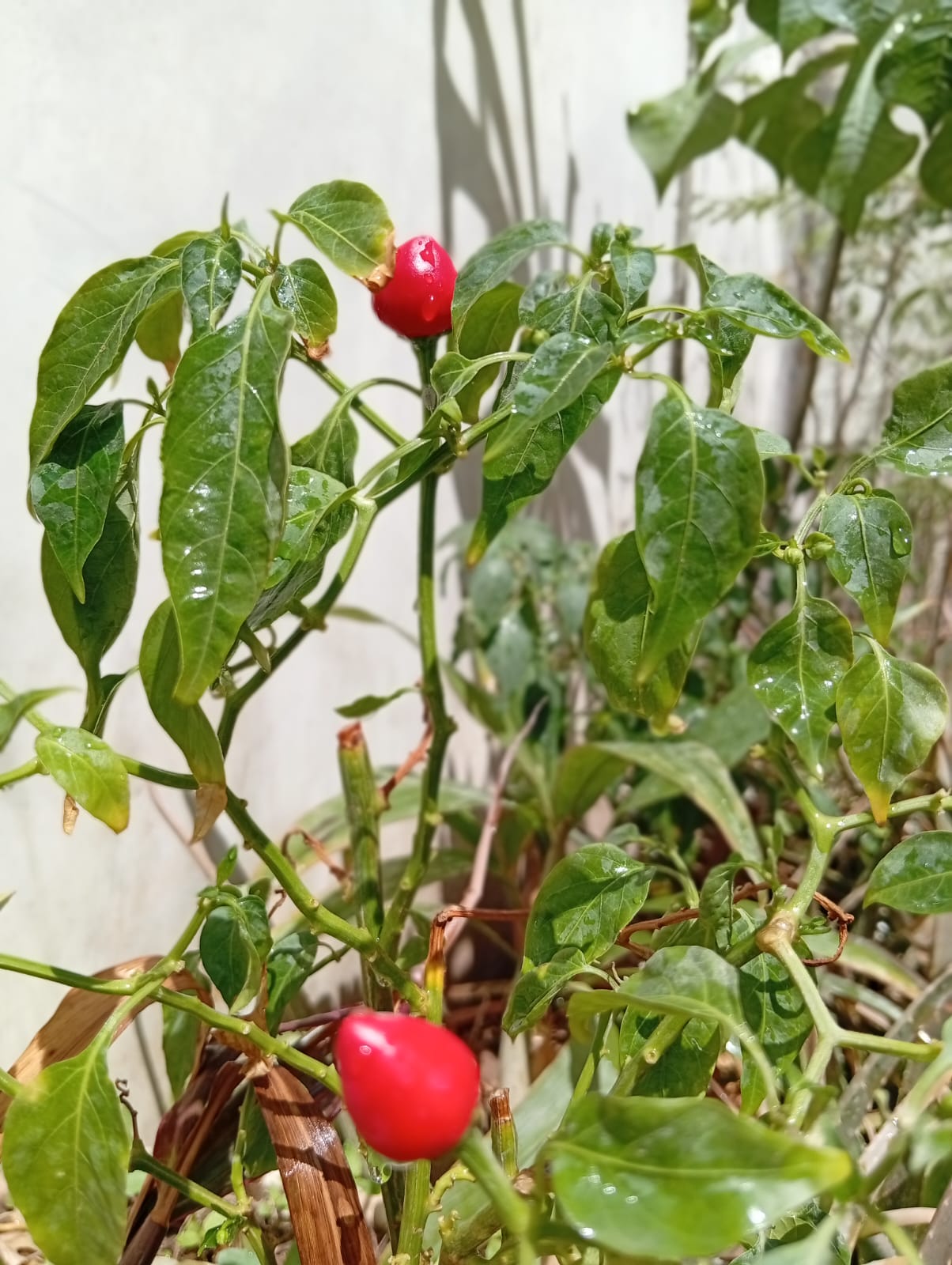
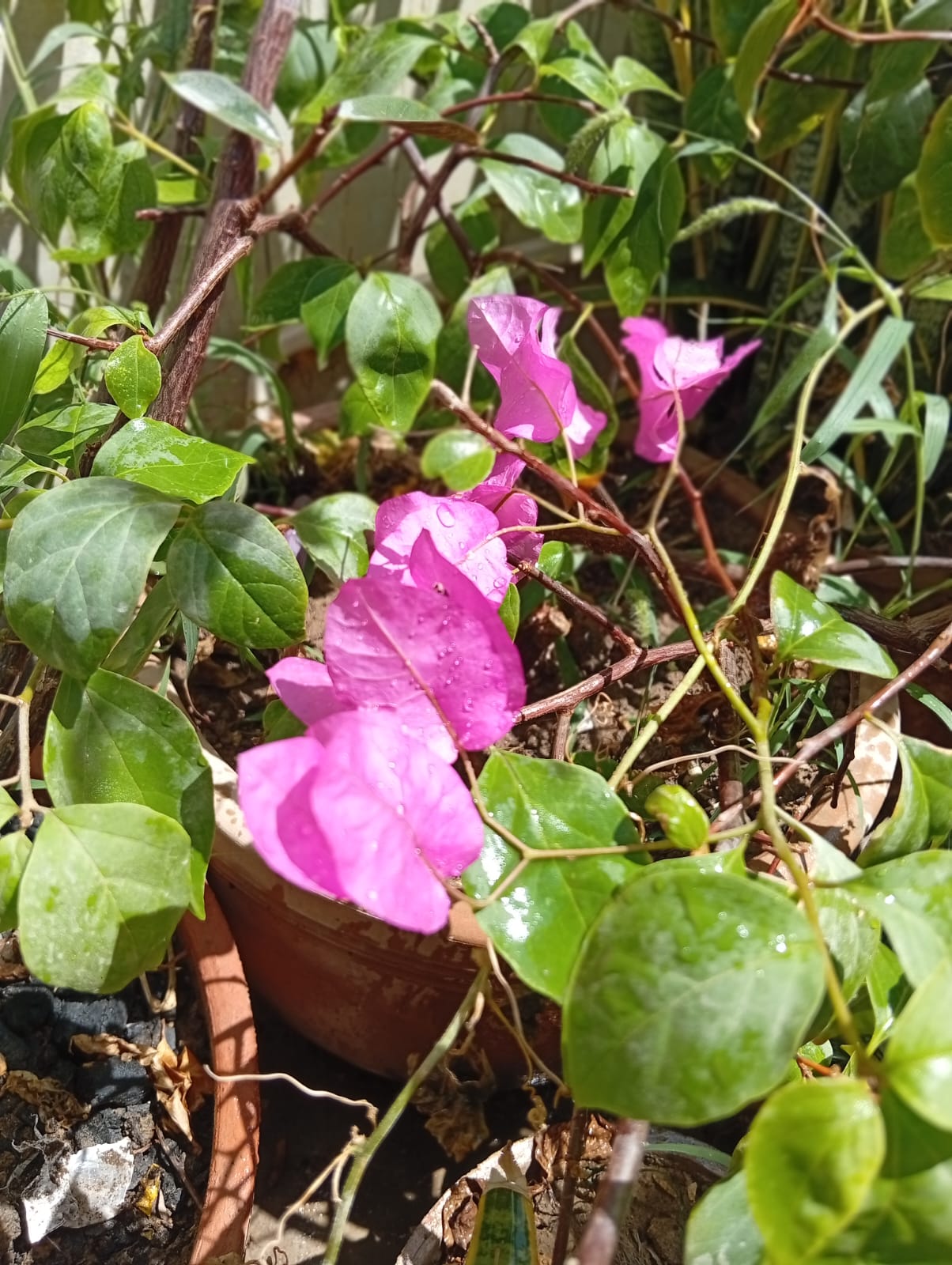
Gardening can become a meaningful part of the Early Years classroom through simple, hands-on experiences. Children can plant seeds, water plants, observe germination, notice changes in leaves and flowers, and watch fruits develop. These activities introduce early Science concepts such as living things, plant needs, growth, and seasonal changes. Children can also use Mathematics by counting seeds and leaves, comparing plant sizes, measuring growth, and recognising patterns.
🌱 Science & Mathematics Through Gardening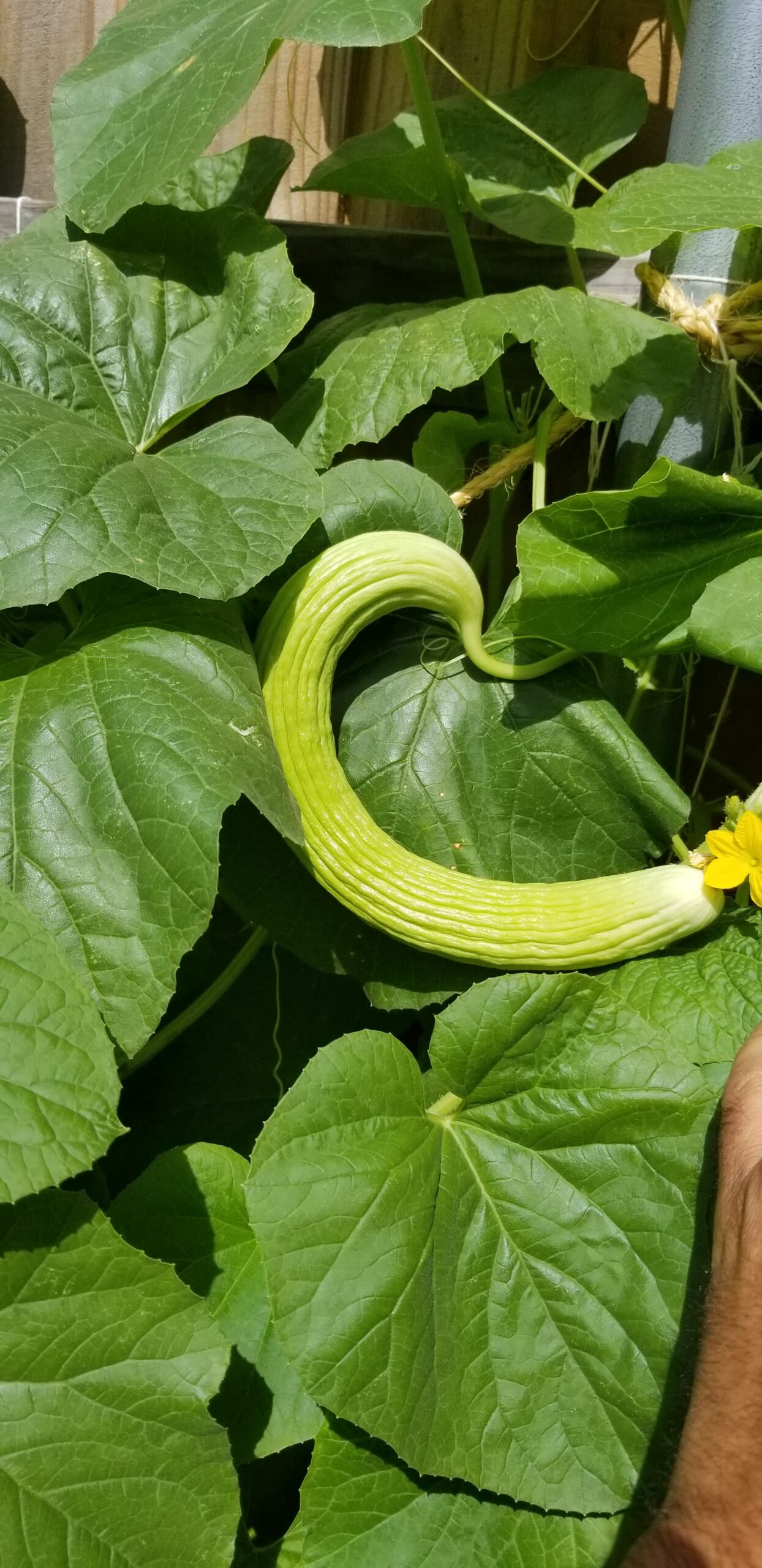
Gardening also provides wonderful opportunities for Creative Arts and Language development. Children can draw or paint what they observe, create nature-inspired artwork, learn new vocabulary, and talk about their plants and discoveries. They can keep simple observation records or create a class growth chart, turning everyday gardening experiences into opportunities for communication and creative expression.
💚 Growing Responsibility and Wellbeing 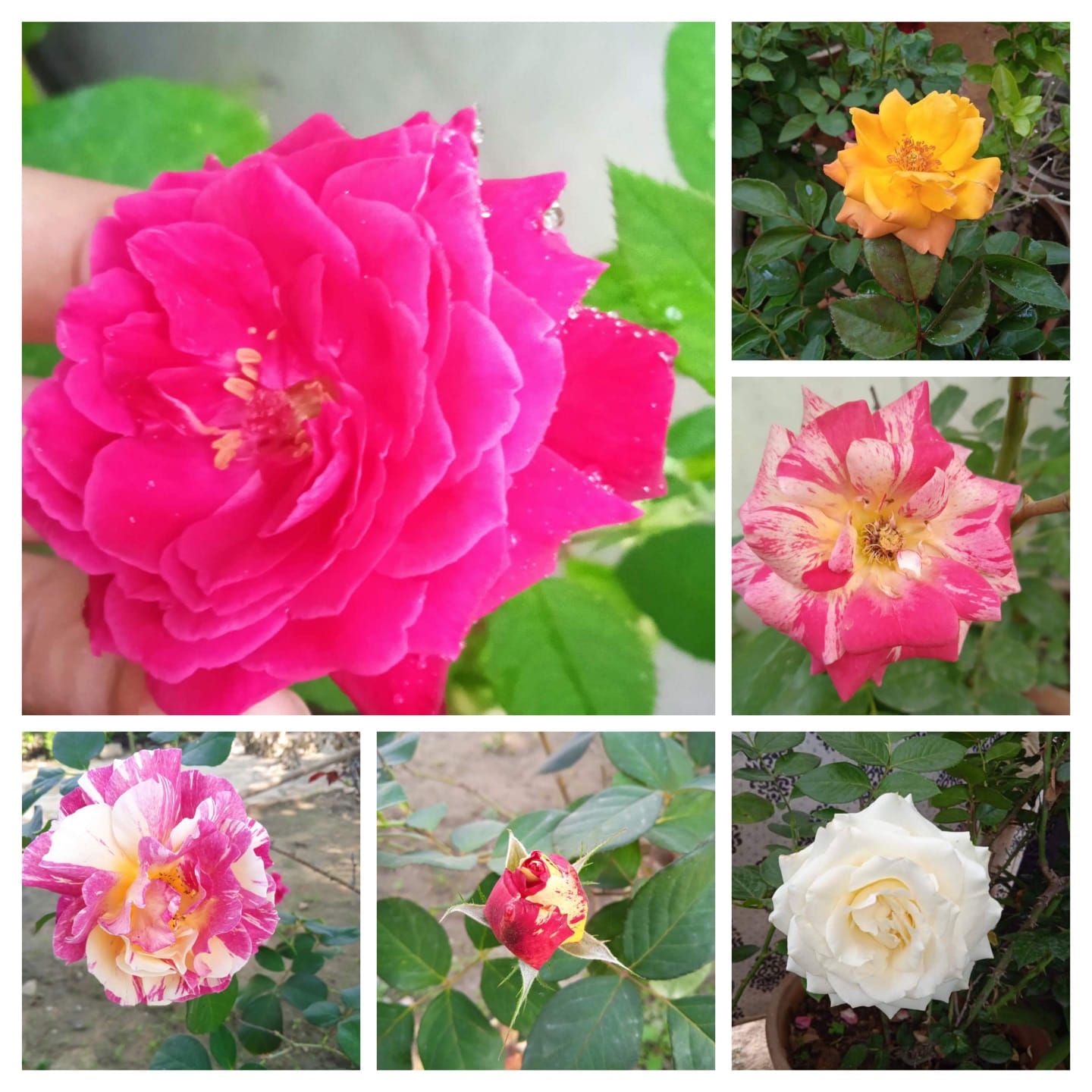
Most importantly, gardening supports Personal, Social and Emotional Development. Taking responsibility for watering and caring for a plant helps children develop patience, confidence, cooperation, and a sense of responsibility. Working together in small groups encourages sharing, turn-taking, and caring for living things. In this way, a small garden can become a living learning space where children explore, create, communicate, and grow alongside their plants. 🌱