
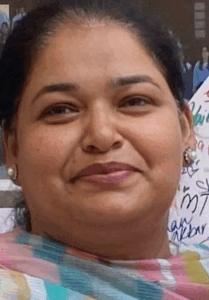
 I teach Sindhi to students from Grade 3 to Grade 5 at the Beaconhouse School System Elementary Campus Block 3 PECHS. Most of my students speak Urdu at home and use English as their main school language, so Sindhi is often new to them. Because of this, my role goes beyond teaching vocabulary and grammar. I aim to help students understand why the language matters and how it connects to their cultural identity.
In my classroom, I try to make Sindhi meaningful and approachable. We read short stories, learn simple poems, and practice everyday conversations. Storytelling plays an important role because it introduces traditions, local expressions, and shared experiences in a natural way. Through these activities, students begin to see that language carries culture, history, and values, rather than existing only as a school subject.
The school also plays a key role in supporting this learning. Beaconhouse provides space for regional languages within the curriculum and encourages projects that highlight culture. Access to reading materials and cultural activities helps students recognize that Sindhi is part of their overall education. This support creates an environment where multilingual learning is accepted and valued.
Teaching Sindhi in a setting where English is often prioritized can be challenging, but it is important for language preservation and cultural awareness. By introducing Sindhi in engaging ways, I help students build confidence and pride in their heritage. Language becomes a bridge linking school and home, past and present, and different parts of a child’s identity.
Language as a Bridge to Cultural Identity
169 Views