
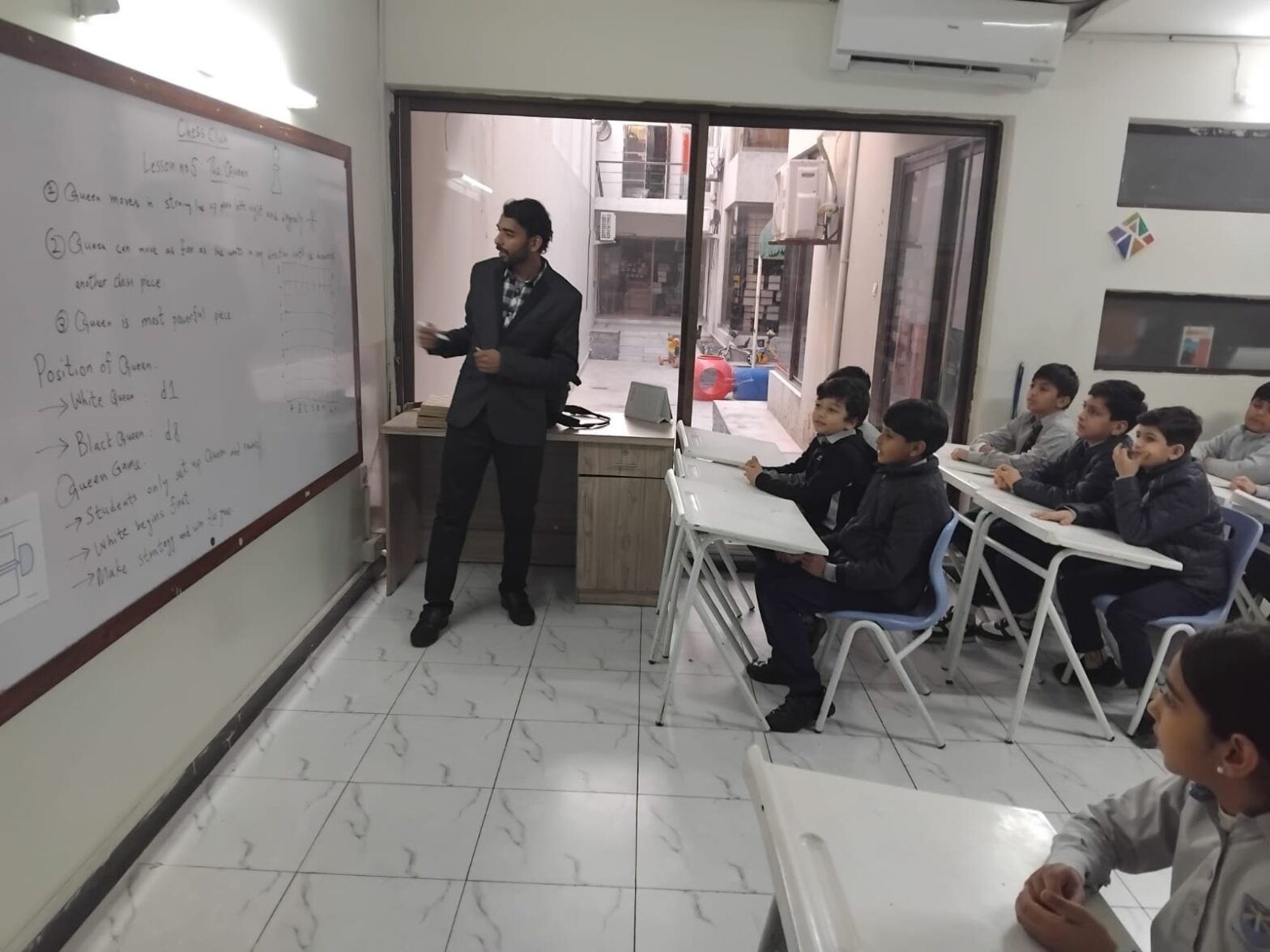
As a music teacher, my world is usually defined by tempo, harmony, and the steady beat of a metronome. But lately, I’ve found myself drawn to a different kind of rhythm — the quiet, calculated cadence of the chessboard. Running the Upper Primary Chess Club has opened my eyes to a powerful truth: in an era where “brain rot” and dwindling attention spans are fueled by endless scrolling, chess is the ultimate cognitive anchor.
The Antidote to the “Scroll”
We are living in a digital age where technology is designed to capture attention, not sustain it. Our students are growing up in a world of 15-second clips and instant gratification. This constant “pinging” of the brain makes it increasingly difficult for young learners to engage in deep, meaningful work.
Chess is the perfect antidote. It is a slow-burn game. You cannot “swipe” your way to a checkmate. It demands what I call “sustained harmony” — the ability to sit with a problem, visualize multiple outcomes, and maintain focus even when nothing flashy is happening.
Unlike passive screen consumption, chess is active, strategic, and mentally rigorous. It strengthens patience, discipline, and long-term thinking.
The Developing Mind
For upper primary students, the cognitive benefits of chess are transformative. The game strengthens critical thinking by developing:
-
Executive Function – thinking before acting and strengthening impulse control.
-
Pattern Recognition – much like reading a musical score, students identify recurring structures and strategic motifs.
-
Resilience – in chess, as in music, mistakes are not failures; they are feedback. Losing a Queen becomes a lesson in adaptability and strategic recovery.
Chess teaches students that every move matters, and every setback offers a chance to rethink, recalibrate, and rise stronger.
A Community of Quiet Focus
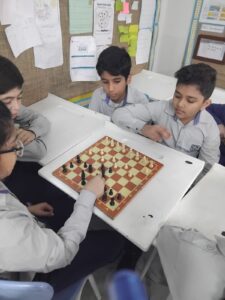
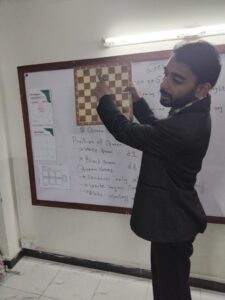
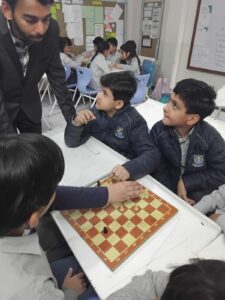
In our Chess Club, the atmosphere is quiet yet electric. It is one of the rare moments during the school day where students are fully disconnected from devices, yet completely plugged into their own thinking.
They are not merely playing a game — they are cultivating the mental stamina required for complex mathematics, analytical reading, and creative problem-solving.
Whether a grandmaster in the making or a beginner learning how the Knight hops, the mission remains the same:
Reclaiming our attention.
Strengthening our minds.
One thoughtful move at a time.
By
Mr Badar Shahbaz